Brain 101 for Kids
Your amazing brain
Six short, fun lessons about the most amazing thing you own: your brain! For curious kids aged about 6 to 12, and the grown-ups who learn with them.
Pick a lesson
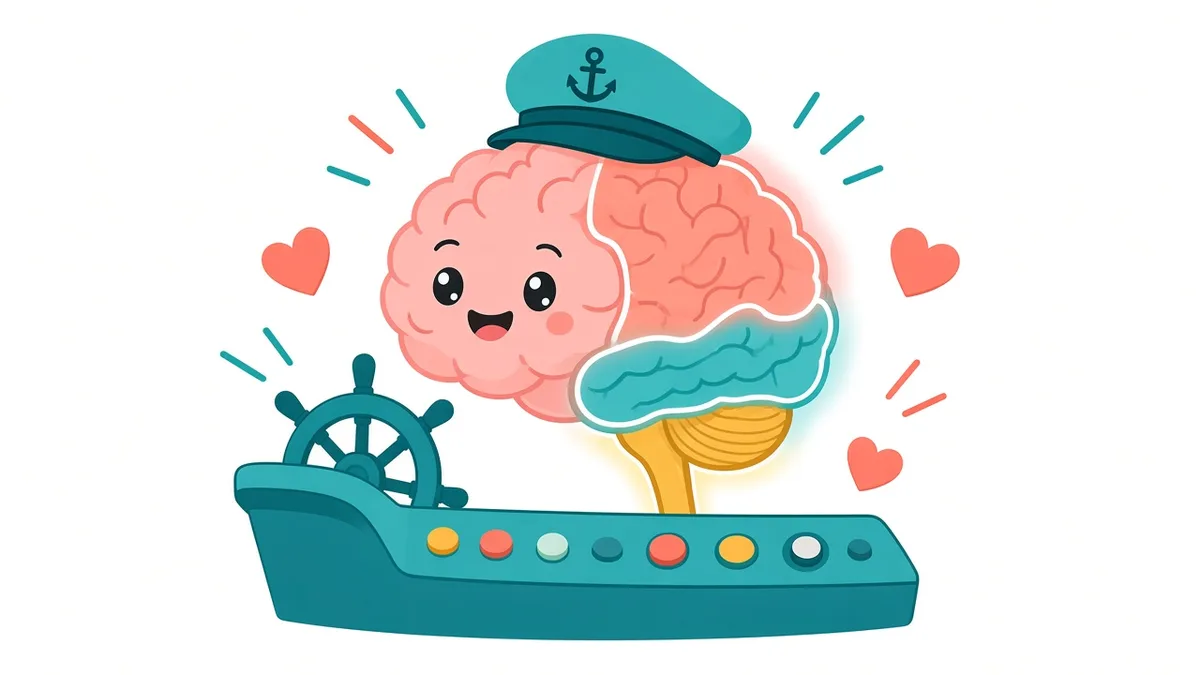 Lesson 1 · 10 minWhat is your brain?Meet your cerebrum, cerebellum and brainstem: the three big parts of your amazing brain.
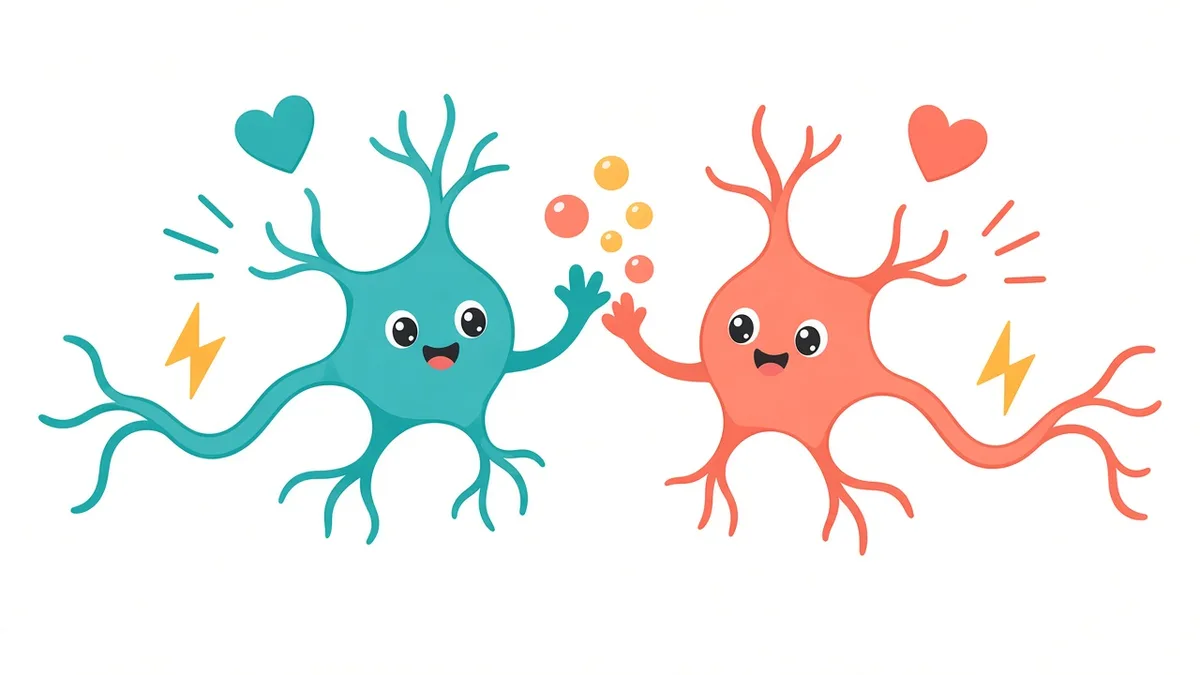 Lesson 2 · 10 minNeurons: the brain's messengersHow billions of neurons send signals across tiny gaps called synapses, and why practice makes them stronger.
 Lesson 3 · 10 minSleep and your brainWhy your brain needs sleep, how much kids need, and what happens in your brain all night long.
 Lesson 4 · 12 minWhat is a seizure?A calm, kid-friendly explanation of seizures and epilepsy, and how kids can help a friend: Stay, Safe, Side.
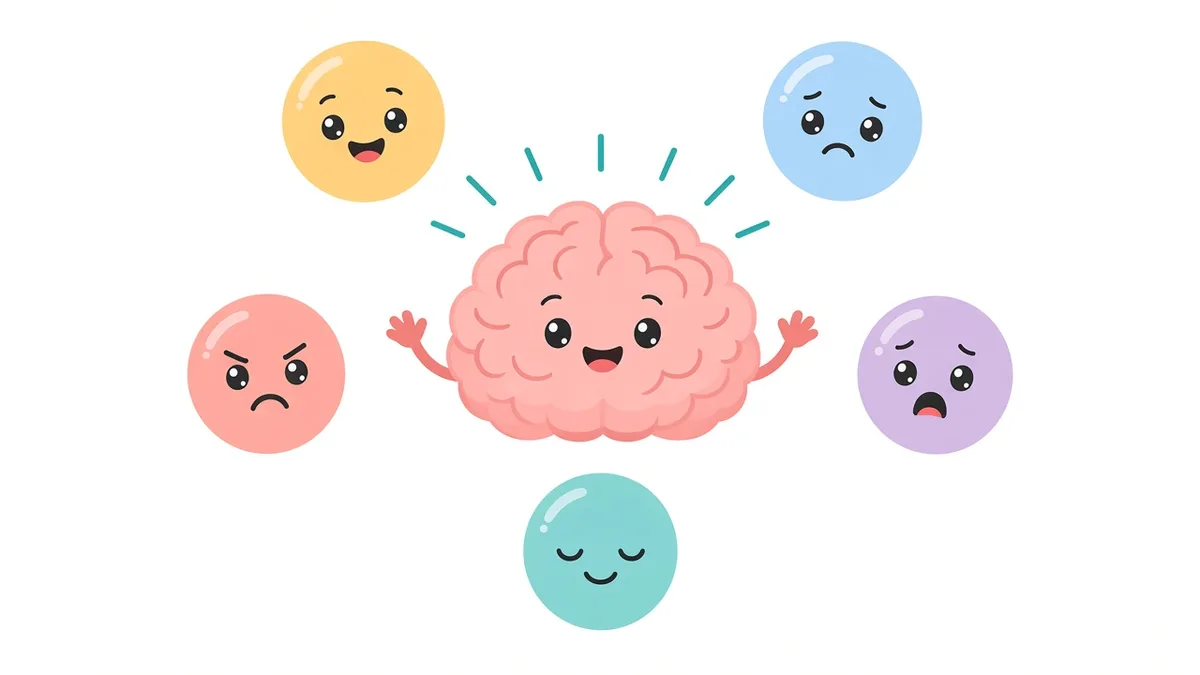 Lesson 5 · 10 minFeelings and the brainWhere feelings come from, what your brain's alarm does, and tricks to help big feelings calm down.
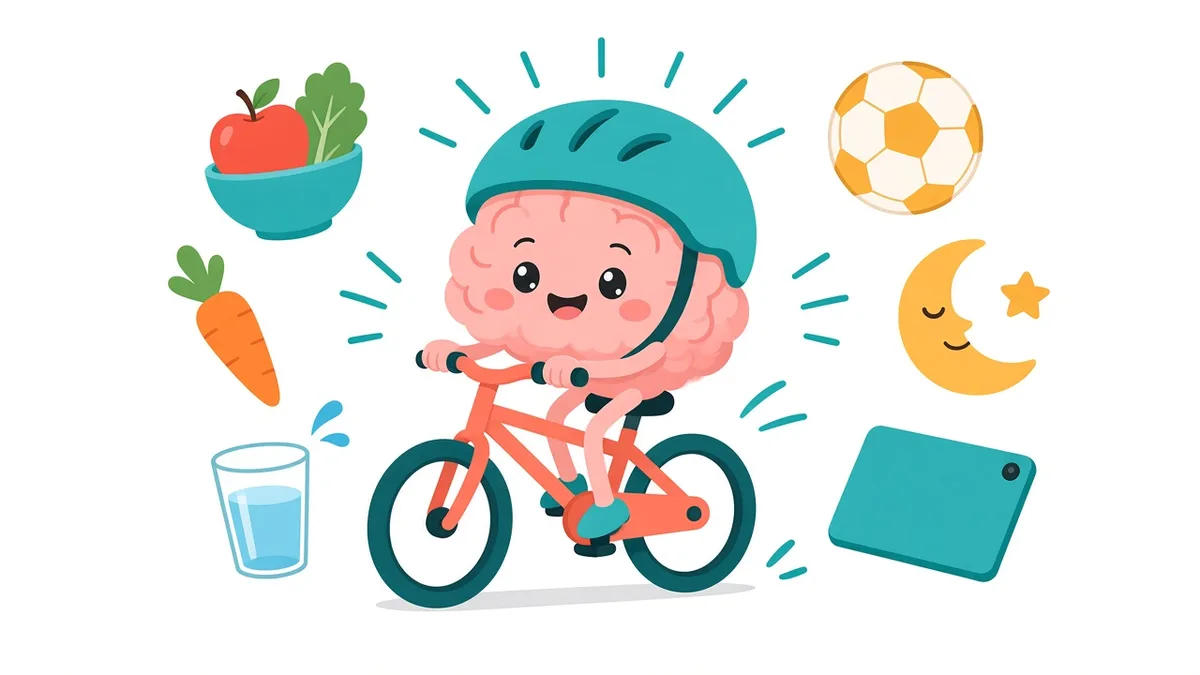 Lesson 6 · 12 minHow to keep your brain healthyHelmets, sleep, food, play and screen breaks: everyday ways to look after your brain.
Wow Brain fact machine
Your brain is about 75% water. Drink up!You have about 86 billion neurons. That is more than 10 for every person on Earth!Your brain uses about one fifth of your body's energy, even though it is a small part of your body.The cerebellum is small, but it holds most of your brain's neurons.Signals in your nerves can travel more than 400 kilometers an hour.While you sleep, your brain sorts and saves what you learned today.Every time you practice, your synapses get stronger.Your brain cannot feel pain itself. Headaches come from the tissues and blood vessels around it.Your brain is about 75% water. Drink up!
For kids
- Start with Lesson 1, or pick the one you are curious about.
- Tap, click and play with the pictures.
- Try the 3-question quiz at the end of each lesson. A ✓ appears on lessons you finish.
- Print a coloring page or the Brain Power Week chart.
For parents & teachers
Each lesson takes about 10 to 12 minutes, works on phones, tablets and classroom screens, and ends with a short box of teaching tips and sources. Everything is free, with no sign-up. Lessons are written by Dr. Yash Shah, a pediatric neurologist, and use simple, global English.
Print Printable activities
A brain coloring page and a "My Brain Power Week" habit chart for home or class.
Like brain facts? Dr. Shah shares bite-size pediatric brain science for families on X.
Follow @WaveWatcherMD