Development · Autism
MNRI Therapy and Autism: What I Learned From a Patient
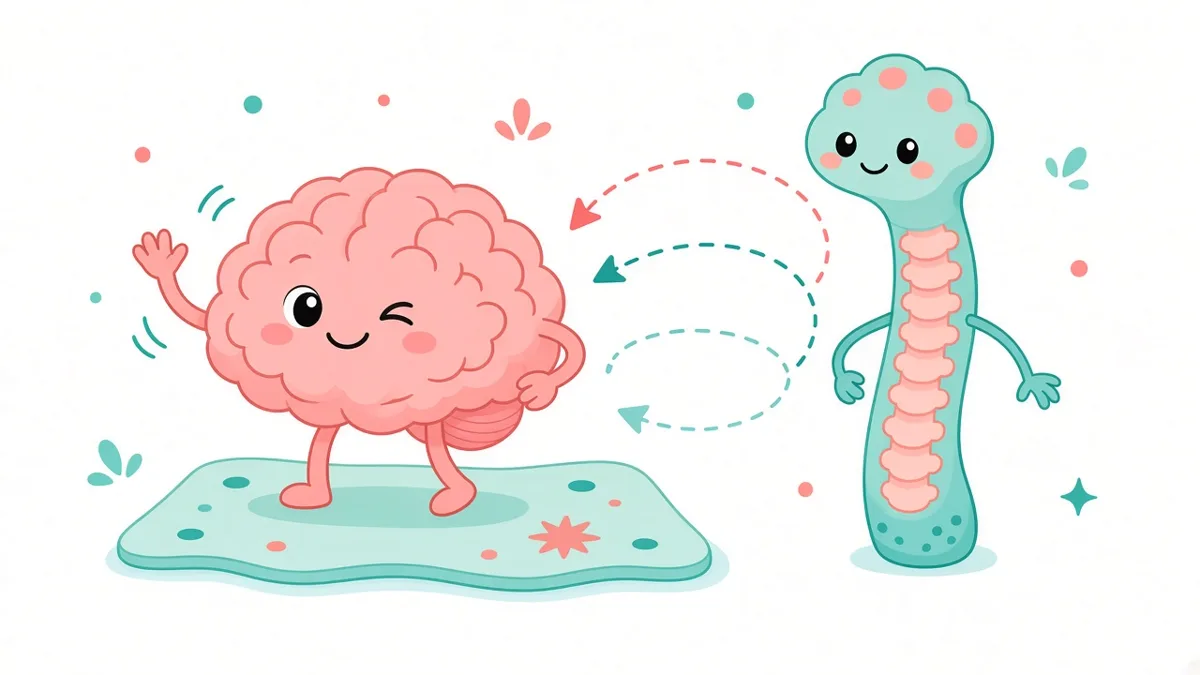
I recently met a young patient with autism spectrum disorder (ASD) who made remarkable progress in feeding and behavior with MNRI therapy. That inspired me to look more closely at this approach. Here is what I learned.
This piece is adapted from my thread on MNRI. [view on X]
What is MNRI?
The Masgutova Neurosensorimotor Reflex Integration (MNRI) method is a therapy focused on reintegrating primary reflexes, the automatic motor responses essential to early neurodevelopment. [view on X]
It works through reflex re-education, targeting reflex patterns that should naturally integrate into voluntary motor control but may remain immature in people with ASD, and through sensory-motor coordination, rebuilding the connection between sensory input and motor responses. [view on X]
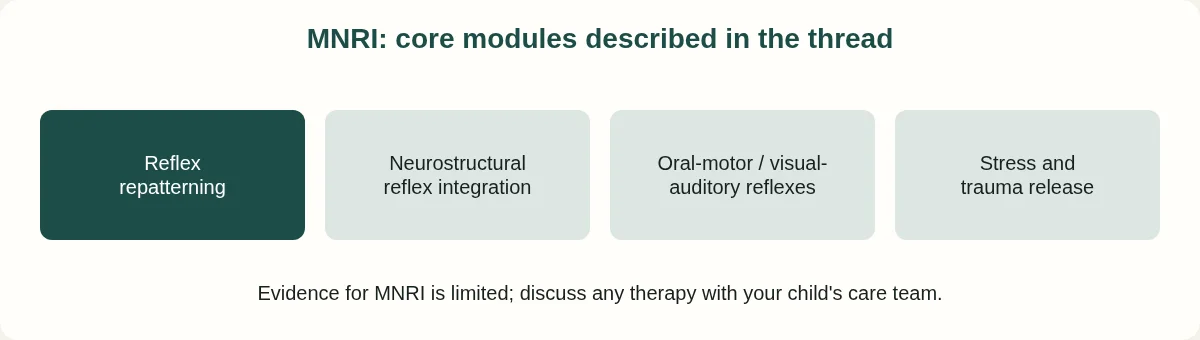
Therapy includes specialized modules such as reflex repatterning, neurostructural reflex integration, oral-motor and visual-auditory reflex integration, and stress and trauma release. Each module addresses specific neurodevelopmental challenges. [view on X]
Why it may help children with autism
Research points to several potential benefits of MNRI for autism: improved sensory-motor integration, better emotional regulation, gains in communication and cognitive skills, and reduced inflammatory markers. [view on X]
Many children with ASD struggle with sensory processing and motor control. MNRI aims to repattern reflexes, supporting smoother coordination and reducing sensory sensitivities. [view on X]
By balancing reflex pathways, MNRI may lower stress and anxiety, as I saw in my patient's improved behavior and feeding. This fits with research on its calming effects. [view on X]
Studies suggest MNRI may influence neurotransmitter levels and reduce inflammation and oxidative stress, factors often linked to ASD. [view on X]
What I saw in my patient
I believe the improvements in feeding and behavior most likely came from repatterning oral-motor reflexes, reducing sensory overload and building stress resilience. [view on X]
What the research says
In one study, MNRI improved reflex patterns in 63% of children with ASD over a 9-day program, with marked gains in sensory-motor coordination, behavior and cognitive skills (Masgutova SK, Akhmatova NK, Sadowska L, Shackleford P, Akhmatov EA, et al.). [view on X]
Takeaway
For children with ASD, MNRI offers a distinctive approach to sensory, motor and emotional challenges. It is non-invasive and a hopeful option for families navigating autism. [view on X]
Have you or your patients tried MNRI? I'd love to hear about your experiences. [view on X]
This is general information, not medical advice. Please talk with your child's doctor about their care.
Want more clear, evidence-first breakdowns on pediatric neurology and epilepsy?