Lifelong learning
Lifelong Learning: Tools and Habits
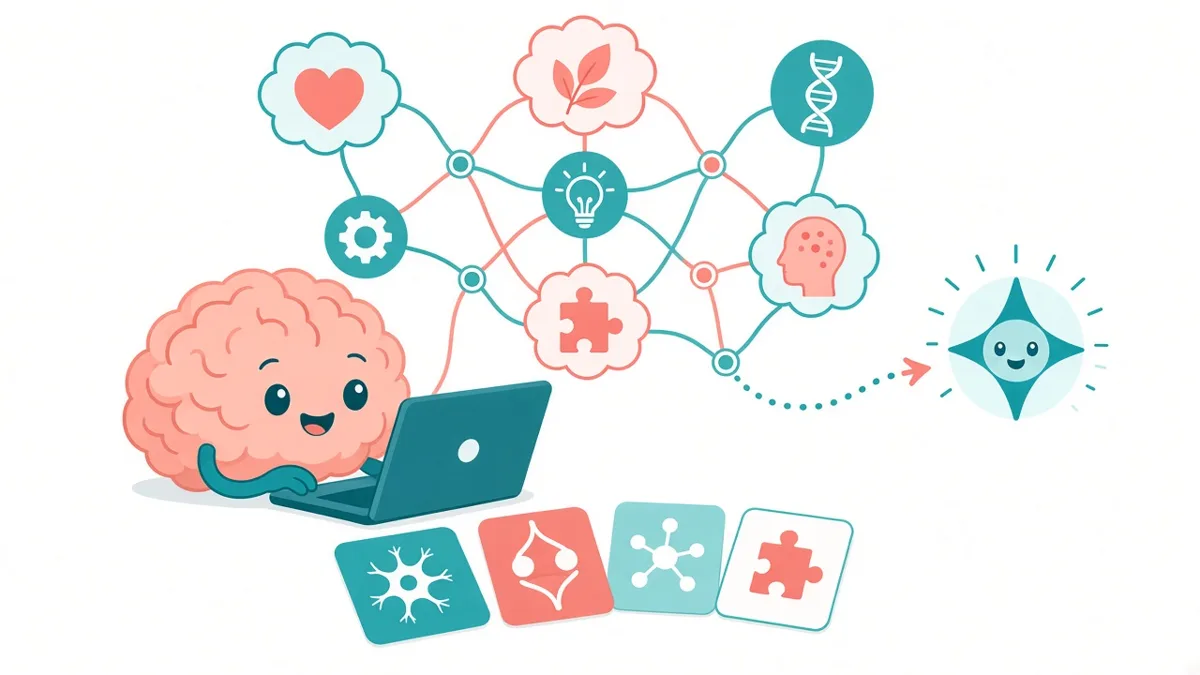
Medicine never stops changing, so neither can we. Here's how I've used note-taking and spaced-repetition tools to keep learning.
Habits shape the future
“People do not decide their futures, they decide their habits and their habits decide their futures.” — F. Matthias Alexander [view on X]
Connected notes plus spaced repetition
As a researcher and lifelong learner, I enjoyed using Roam for connected notes, and I wished it could add the powerful spaced-repetition features of RemNote. Combining the two in one system would be ideal. [view on X]
What medical learners need from these tools
Medicine is full of images, so flashcards need a larger, zoomable interface (like Anki) to make images easy to see. [view on X]
Exports should keep the images saved in your notes, not just the text. [view on X]
When saving a thread, the posts should be stored in reading order (1 to 10), not backwards. [view on X]
This is general information, not medical advice. Please talk with your child's doctor about their care.
Want more clear, evidence-first breakdowns on pediatric neurology and epilepsy?