Epilepsy · Advocacy
Epilepsy Stigma: A Hidden Burden
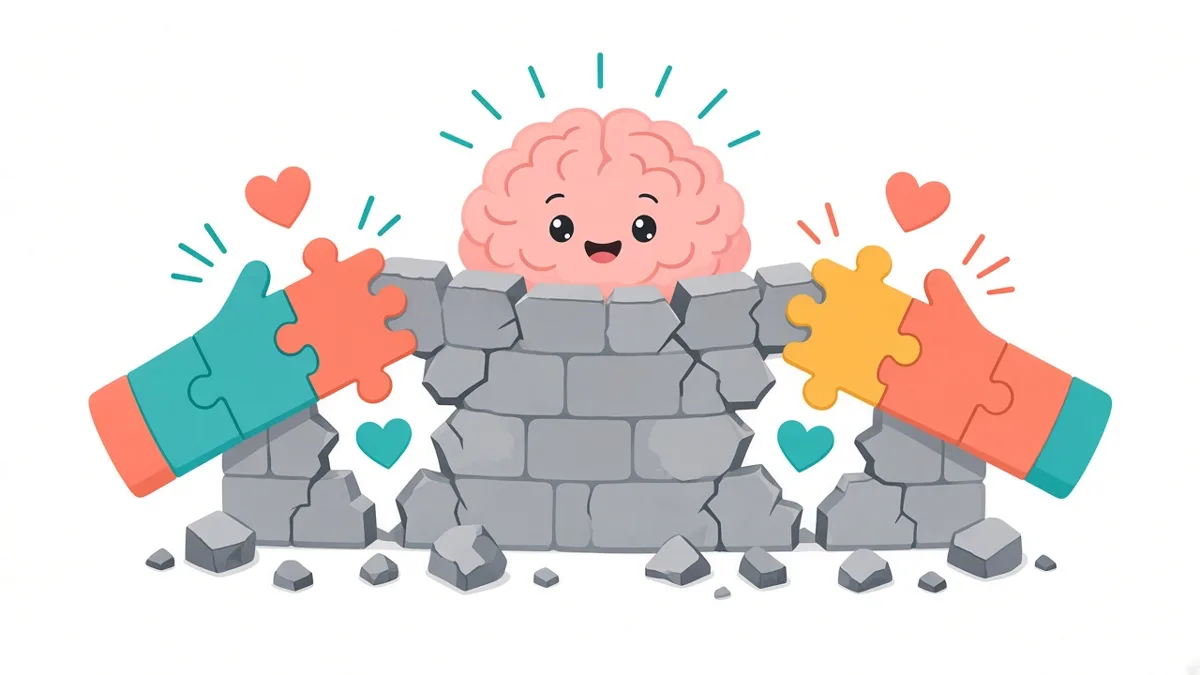
Epilepsy affects about 50 million people worldwide. Despite medical advances, stigma remains one of its biggest challenges. Here is a look at its history, its impact and what we can do about it.
This piece is adapted from my thread on epilepsy stigma. [view on X]
4,000 years of stigma
As Rajendra Kale put it: “Epilepsy is about 4,000 years of ignorance, superstition, and stigma, followed by 100 years of knowledge, superstition, and stigma.” [view on X]
Stigma is deeply rooted. Until 1956, many U.S. states prohibited people with epilepsy from marrying. Today, 53.4% of people with epilepsy report stigma. In India, women with epilepsy face barriers to marriage, and surveys in Turkey show similarly widespread misconceptions. [view on X]
Meet Stacy
Stacy, 14, has juvenile myoclonic epilepsy. After a seizure at school, she hesitated to use her rescue medicine, not out of fear of the seizure but out of fear of stigma. Her peers' judgment outweighed her own safety. [view on X]
What is stigma?
The sociologist Erving Goffman defined stigma as a “deeply discrediting attribute.” In epilepsy, it leads to discrimination, isolation and poor health outcomes. Stigma isn't just a social problem; it is a public health crisis. [view on X]
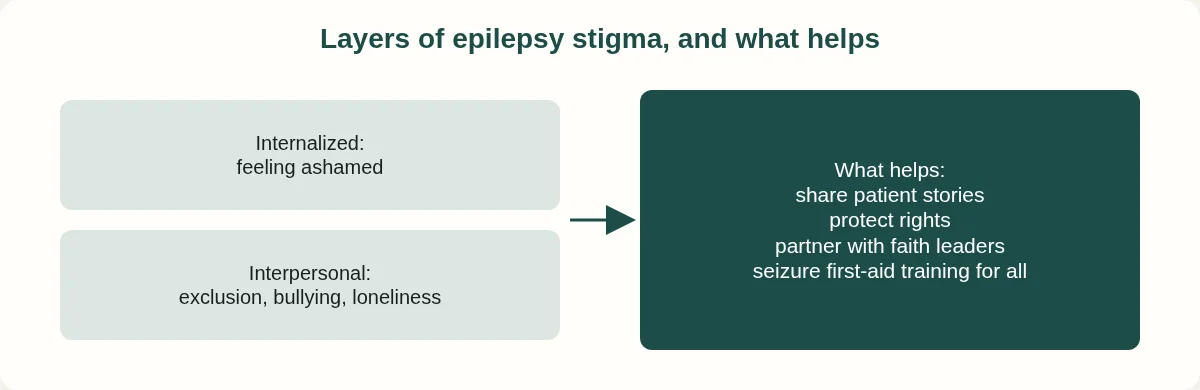
Stigma works on several levels. Internalized: Stacy felt ashamed of her epilepsy. Interpersonal: excluded by classmates, she faced bullying and loneliness. The psychological toll can include anxiety, depression and even suicidal thoughts. [view on X]
The ripple effect
Stigma is linked to poor mental health (anxiety in 62.5% and depression in 47.9%), reduced participation in social life (92.7% report restrictions), and the development of psychogenic non-epileptic spells or functional neurological disorder (FND). [view on X]
Sadly, “to have epilepsy is to open oneself to the full force of social prejudice and misunderstanding.” Stigma adds weight to an already challenging condition. We must act. [view on X]
A call to action
We can empower patients to share their stories, work with governments to protect their rights, partner with religious leaders for cultural competency, and promote seizure first-aid training for everyone. [view on X]
Addressing stigma takes education, empathy and action. Let's create a world where people with epilepsy can live without fear or shame: share, educate and create safe spaces. [view on X]
This is general information, not medical advice. Please talk with your child's doctor about their care.
Want more clear, evidence-first breakdowns on pediatric neurology and epilepsy?